Common Restaurant Photography Mistakes That Make Food Look Cheap
The most common restaurant photography mistakes that make your food look cheap online, and a clear checklist to fix every one before your next shoot.
Your food looks brilliant on the plate. On the phone screen, it looks flat, grey and a bit sad. That gap is costing you bookings, because most people decide where to eat by scrolling, not by tasting. The most common restaurant photography mistakes are cheap to make and expensive to keep, and almost all of them come down to a handful of fixable habits.
A diner looking at two venues will pick the one whose photos make them hungry. If your hero shot is a dim phone snap of a half-eaten plate under yellow ceiling lights, you have already lost to the place next door with one clean, well-lit image.
This is not about owning an expensive camera. It is about avoiding the same traps that drag good kitchens down to looking like a petrol-station meal deal.
Why bad food photos quietly cost you bookings
People eat with their eyes long before they read your menu. Your photos are doing sales work on Google, Instagram, your website and the delivery apps, all day, whether you manage them or not.
When the images look cheap, three things happen.
- Higher-spend diners scroll past and book somewhere that looks worth the money.
- Your dishes look smaller and less generous than they actually are.
- Your prices suddenly feel too high for what is on screen, even when they are fair.
The food has not changed. Only the photo has. That is the frustrating part, and also the good news, because it means the fix is entirely in your control.
The most common restaurant photography mistakes
Here are the ones we see most often when a venue sends us their current pictures. Run your own gallery against this list.
1. Shooting under warm restaurant lighting
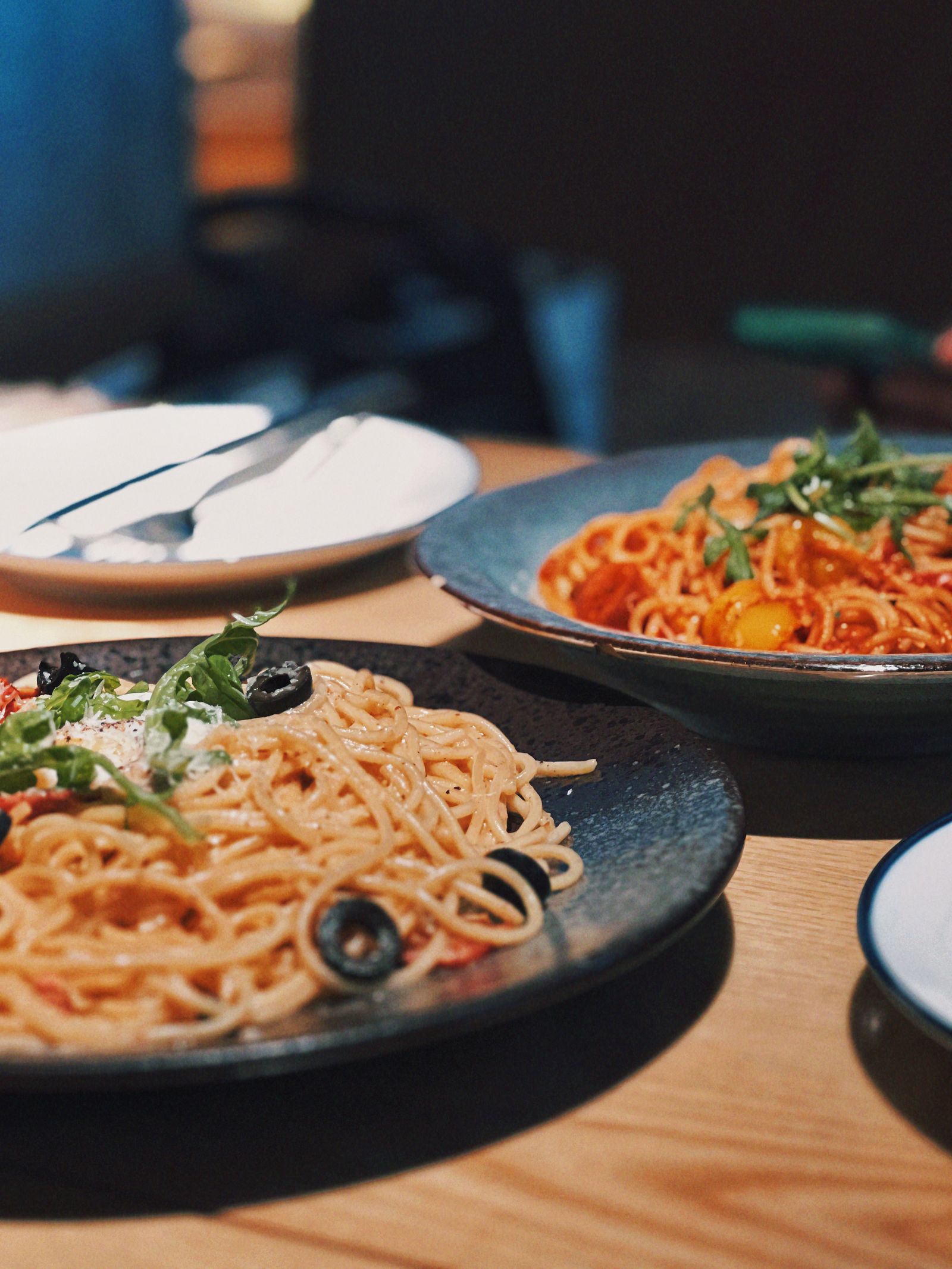
Cosy orange ceiling light is lovely to sit under and terrible to shoot under. It turns white plates yellow, kills the colour in greens and makes everything look greasy.
Fix it by shooting near daylight wherever possible, or by killing the overhead bulbs and using one controlled light source. Never rely on the ambient mood lighting your guests sit in.
2. Using direct on-camera flash
A phone or camera flash fired straight at the plate blows out the highlights, flattens texture and casts a hard shadow behind the dish. Sauce goes shiny, salad goes white, steak loses its char.
Soft, side-on light is what makes food look three-dimensional and fresh. Hard frontal flash does the opposite.
3. The wrong angle for the dish
Not every plate works from above. A flat-lay of a burger hides the layers; a side-on shot of a flatbread spread hides the spread.
- Tall, stacked food (burgers, bakes, layered desserts): shoot at 15 to 45 degrees.
- Flat, busy spreads (mezze, brunch boards, pizza): shoot from directly overhead.
- Drinks and tall glasses: shoot close to eye level.
4. Cluttered, distracting backgrounds
A wiped-down but messy table, a stray ketchup bottle, a folded apron in the corner. The eye goes straight to the clutter instead of the food.
Clear the frame. A clean surface, one prop that earns its place, and breathing room around the plate beats a busy table every time.
5. Styling that looks tired
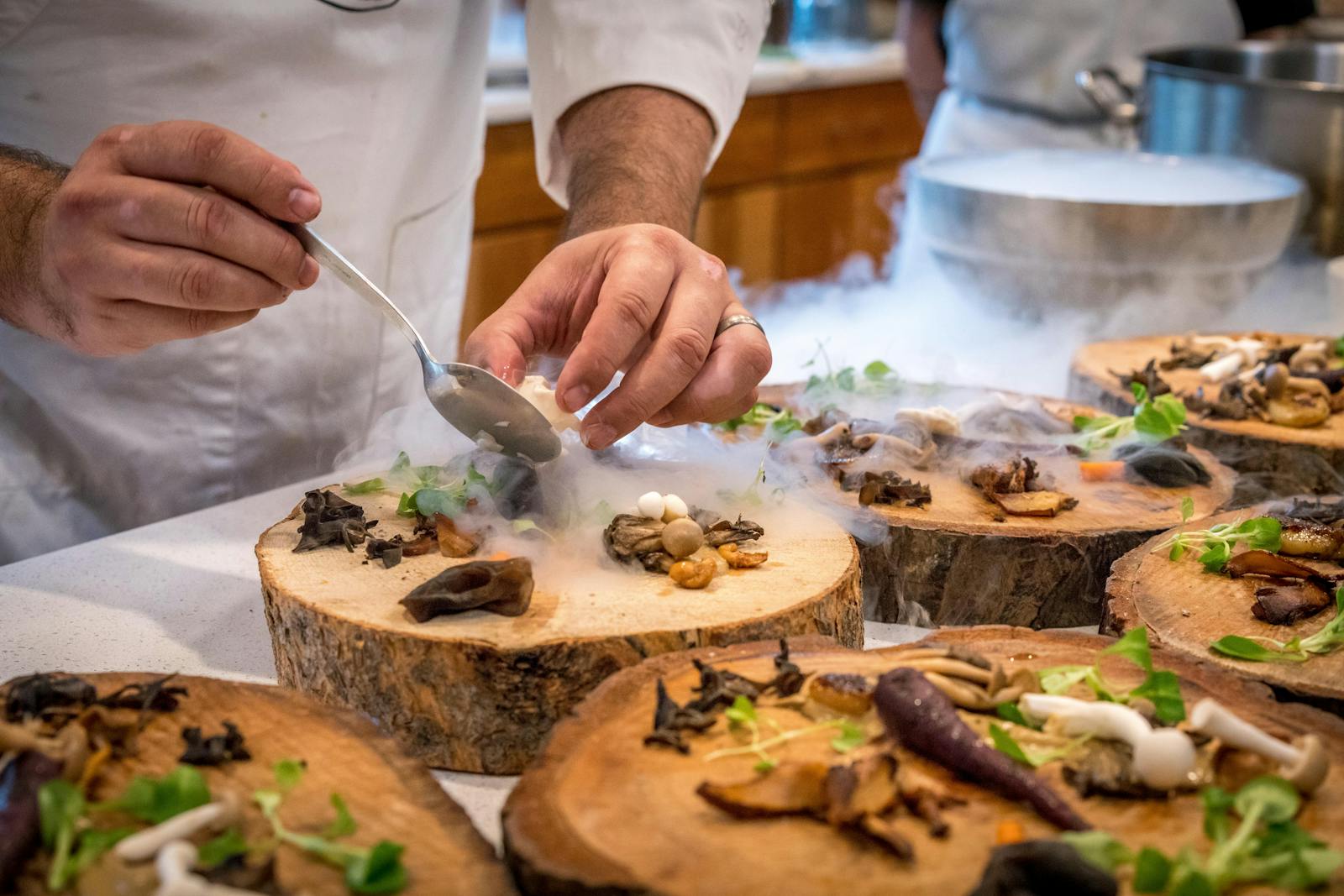
Photographing a dish that has sat under the pass for ten minutes is one of the quietest killers. Herbs wilt, sauces skin over, ice melts, foam collapses.
Shoot the dish fresh, the second it is plated. Garnish for the camera, wipe the rim, and treat the first plate as the photo plate.
6. Heavy filters and oversaturation
Cranking the saturation slider until the tomato glows radioactive does not read as appetising. It reads as fake, and fake reads as cheap.
Aim for natural, accurate colour. Food should look like the real thing on a good day, not a cartoon of itself.
7. One photo doing every job
A single hero shot cannot carry your website, your Instagram grid, your stories, your Google profile and your ads. When you stretch one image across everything, it gets cropped wrong, pixelated and stale.
You need a small library: food, interior, a few lifestyle moments and some vertical reels footage. That variety is what makes a venue look established rather than improvised.
A quick pre-shoot checklist
Before you photograph anything, or before a photographer arrives, get these in order.
- Pick your daylight window and shoot near it.
- Choose 6 to 10 hero dishes that actually sell, not just the chef's favourites.
- Brief the kitchen so plates come out shoot-ready, one at a time.
- Clear and clean the surfaces and the surrounding frame.
- Decide angles per dish in advance using the rules above.
- Plan a few vertical clips for reels while the food is out.
If you want the full version of this, we have a detailed walkthrough in our guide on how to prepare for a restaurant photo and video shoot so nothing gets wasted on the day.
How Strapture approaches this
We shoot for the way diners actually find you: mobile, scrolling, deciding in seconds. That means controlled light, accurate colour, the right angle per dish, and a proper spread of food, interior, lifestyle and reels in a single visit, with full usage rights so you can use everything everywhere.
Our restaurant photography and videography is built as a full day on site, with photos back in about five working days and reels in about ten. You get a library, not a lonely hero shot.
For Spark Bar & Kitchen in Hoddesdon, that steady stream of strong photography, video and social content helped them sit rated number one of 68 restaurants in Hoddesdon on Tripadvisor, with a 4.8 average across more than 1,000 reviews. Good visuals do not just look nicer; they pull weight in how a venue is found and chosen. You can see more of this work over on our case studies.
FAQs
Do I really need a professional, or can my phone do the job? A modern phone is capable, but the camera is rarely the problem. Lighting, angle, styling and consistency are. A professional shoot exists to control all of those at once so the food looks its best and your library stays cohesive.
How many photos do I actually need? Enough to cover your website, social grid, stories, Google profile and ads without recycling the same frame. In practice that means a mix of hero food shots, interior, a few lifestyle moments and vertical reels footage from one session.
How much does a restaurant shoot cost? It depends on scope and how much video you want alongside the stills. We break the options down in our guide to restaurant photography and videography pricing in London so you can budget before you commit.
What can I do with the photos after the shoot? With full usage rights you can use them across your website, social, delivery apps, ads and print, with no per-use fees. Many venues then keep the rhythm going by turning one shoot into weeks of content, which we cover in our piece on turning a single shoot day into 30 days of content.
Will better photos genuinely bring in more bookings? Photos are the first thing a potential diner judges you on, so stronger, more appetising images make people more likely to choose you over a similar venue. They will not fix a poor product, but they will stop a good one from being overlooked.
Ready to fix your visuals
If your current photos are making your food look cheaper than it is, the fastest fix is a proper shoot. Send us your Instagram handle or a link to your current gallery and we will reply, within one working day, with two or three honest things we would change first.
When you are ready to upgrade your visuals, book a restaurant photography and videography shoot or get in touch for a quote. Free 20-minute call, no pressure, plain advice.
Free · no obligation
Free shot-list suggestion
Tell us your venue and menu and we'll suggest the first shots to capture: for your website, social and ads.
Goes straight to our inbox. We reply within one working day and never share your details.
Ready to talk?
Tell us about your venue and what you’re trying to grow. We reply within one working day.
Keep reading