Restaurant Website Audit: 10 Real Issues We See Again and Again
A restaurant website audit you can run yourself: the 10 issues we see most often, what they cost you in bookings, and how to fix each one fast.
Most restaurant websites are not broken. They are quietly leaking bookings, a few at a time, every single day.
A proper restaurant website audit is just a calm look at the path a hungry stranger takes from "found you on Google" to "table booked". When that path has friction, people drift off to the competitor whose site loaded faster and showed them a menu in two taps.
Below are the ten issues we see again and again when we open up a venue's site for the first time. None of them are exotic. All of them cost covers.
The owner problem: a website that looks fine but does not work
Here is the thing that catches owners out. Your website can look perfectly tidy on the laptop in your office and still be failing on the phone in someone's hand on a Friday night.
That gap is where bookings go to die. You never see the people who tapped your slow homepage, waited three seconds, and went back to the search results.
A website audit makes that invisible loss visible. Once you can see it, you can fix it.
How to run a quick restaurant website audit yourself
Open your own site on your phone, on mobile data, not the café's wifi. Pretend you have never heard of your venue. Then work through the ten checks below.
1. It is slow on mobile
Most of your traffic is on a phone. If your site takes more than three seconds to show something useful, a chunk of people are already gone.
Heavy uncompressed images and bloated page builders are the usual culprits. Speed is the single biggest fix in most audits.
2. The menu is a PDF or a photo
A PDF that opens in a separate tab and forces a pinch-and-zoom is one of the most common booking killers we find. People want to read your menu in seconds, on the page, with no download.
If your menu is an image, search engines cannot read it either. You disappear for the dishes people are actually searching for.
3. The "book a table" button is hard to find
The single most important action on the whole site should be obvious on every page, ideally sticky at the top or bottom on mobile.
If a visitor has to scroll and hunt for it, you have added friction to the exact moment they were ready to commit.
4. No phone number you can tap
A surprising number of sites show a phone number as plain text, or bury it in a footer. On mobile it should be a tap-to-call link, right where someone decides to ring.
5. The opening hours are wrong, hidden, or missing
"Are you open now?" is one of the most common questions a website answers. If your hours are buried, out of date, or only on Facebook, you lose the booking and the trust.
6. The photos do not sell the room
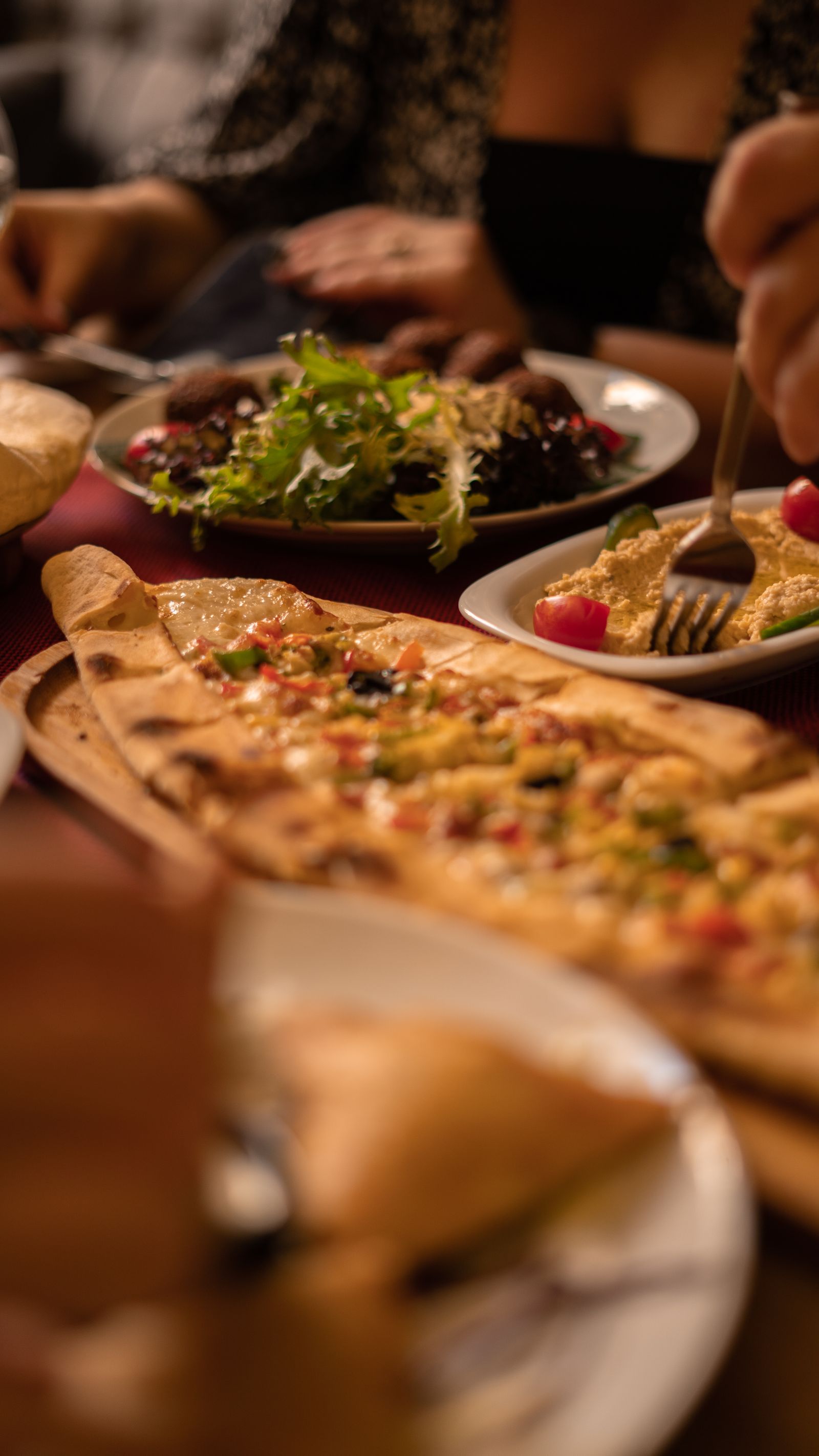
Stock photography and dim phone snaps tell people nothing about your venue. Strong food, interior and atmosphere shots do more selling than any paragraph of copy.
This is also where many sites quietly leak: the food looks better in real life than it does online.
7. It is invisible on Google
If you do not rank for "restaurant in [your town]" and your own name, you are relying on luck and walk-ins. A site that loads fast, has readable text, proper page titles and a real menu is far easier for Google to trust.
For a deeper structure check, our good restaurant website checklist walks through the essentials section by section.
8. It looks dated or generic
A template that screams "free builder, 2016" makes a great kitchen look like a risky bet. First impressions are brutal and fast. People judge the food by the website before they have tasted anything.
9. There is no clear reason to book tonight
A good site does more than exist. It nudges. A specials section, an events calendar, gift cards, a private-hire enquiry form, a clear reservation flow. These turn a browser into a booking.
10. Nobody is measuring anything
If you cannot see how many people visit, where they drop off, or how many actually book, you are guessing. An audit should leave you with numbers, not vibes.
Turning the audit into fixes
A website audit is only useful if it ends in changes. Work top to bottom: speed first, then the menu, then the booking button, then photography, then visibility on Google.
You do not have to do all ten at once. But the first three usually move bookings within weeks, because they remove the friction at the exact moment someone was ready to act.
If the list above already feels like a lot, that is normal. It is also why many owners decide to hand the whole thing to one team rather than stitch it together themselves.
How Strapture approaches this
We start every project with exactly this kind of restaurant website audit, then rebuild around what is actually losing you covers. Our restaurant website design service handles the lot under one roof: mobile-first build, a real on-page menu, bookings, photography and copy, with a fixed quote up front and no long contracts.
Take Artysansz Bistro & Bar in Hoddesdon. They came off a slow Squarespace site onto a custom build with an in-house admin panel. Mobile PageSpeed went from 59 to 87, and Largest Contentful Paint dropped from 13.4 seconds to 4.1 seconds, with page weight down 54%. Same venue, same kitchen, a site that finally pulls its weight, plus Stripe gift cards live within two weeks and online reservations.
You can see more of this work, including before-and-after results, on our case studies page.
Worried about budget before you start? Our honest guide to restaurant website cost in London lays out the numbers with no surprises.
FAQs
What is a restaurant website audit? It is a structured review of how well your website turns visitors into bookings. It covers speed, mobile experience, your menu, the booking flow, photography and how visible you are on Google.
Can I do a restaurant website audit myself? Yes. Open your site on your phone on mobile data and run the ten checks above. You will spot most of the big issues in under ten minutes. A professional audit just goes deeper and measures the impact.
How long does it take to fix the problems an audit finds? The high-impact fixes, like speed, the menu and the booking button, often land within a couple of weeks. A full rebuild with Strapture is typically live in 14 to 21 days.
Will a faster website actually get me more bookings? A slow site loses people before they ever see your menu. Closing that gap, as we did for Artysansz by more than halving load time, keeps the visitors you already earned long enough to book.
How much does it cost to put all this right? A new Strapture restaurant website starts from £2,400 with a fixed quote up front, so you know the number before you commit. There are no long contracts.
Send us your website for a free audit
Want to know exactly what is costing you bookings? Send us your website link and we will reply with the three biggest issues we would fix first, in plain English, within one working day.
Get in touch for a free audit, or book a free 20-minute call and we will walk you through it. You can also message us on WhatsApp on +44 7495 435447. No pressure, no jargon, just an honest look at what is and is not working.
Free · no obligation
A free, honest first look
Tell us about your venue and what you're trying to grow. We'll reply within one working day with where we'd start.
Goes straight to our inbox. We reply within one working day and never share your details.
Ready to talk?
Tell us about your venue and what you’re trying to grow. We reply within one working day.
Keep reading