What Makes a Good Restaurant Website in 2026?
The 12-point checklist we run every London restaurant website against — mobile speed, menu structure, booking flow, schema and the small details that move bookings.

A good restaurant website in 2026 is not about a clever scroll animation. It is about whether a stranger on a phone, in the rain, three tube stops away, can find your menu, book a table and pay a deposit without rage-quitting.
This is the same 12-point checklist we run every new restaurant site against — before launch and every six months after.
1. Mobile-first design
Over 70% of restaurant traffic in London is mobile. If your site only looks great on a desktop, you are designing for the wrong audience. Every layout decision should start on a phone and scale up.
2. Sub-2-second mobile load
Google's research shows bounce rate doubles once mobile load creeps past three seconds. Aim for under two. Test on a real 4G connection — not your office Wi-Fi.
3. A live menu page
Not a PDF. Not a Google Drive link. An actual HTML menu page Google can crawl, with structured data so dishes and prices show in rich results.
4. Booking on every screen
The book button belongs in the nav, sticky on mobile, and inside the menu page itself. Visitors decide quickly; the booking flow should never be more than one tap away.
5. Real photography of your venue
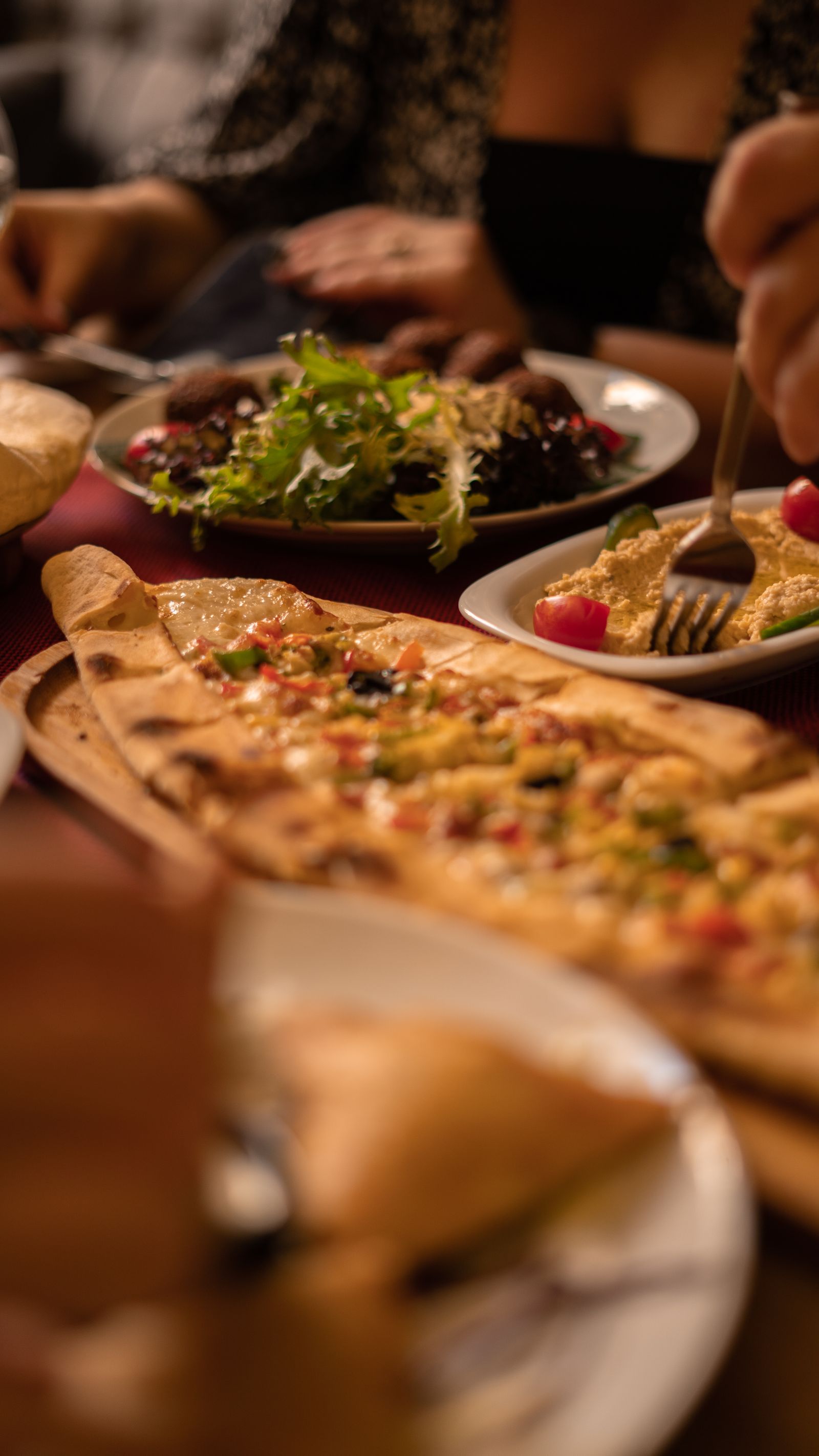
Stock food photography kills conversion. Real food shot at your venue is the single biggest visual lever you have. Budget for it in the build, not as a separate project later.
6. Clear opening hours, address, phone
Above the fold or one scroll down. Bake them into structured data so Google can use them on your knowledge panel.
7. Google Business Profile integration
Embedded reviews, a live map, "directions" and "call" buttons that work natively on phones. The Google Business Profile is the SEO base layer — your website should reinforce it.
8. Structured data (schema.org)
Restaurant schema, Menu schema, LocalBusiness schema, Review schema. This is what gets you into rich results — prices, ratings, opening hours — straight on the search page.
9. A real about page
The story, the team, the press. Restaurants are bought emotionally; the website should make that easier, not harder.
10. Fast image delivery
Modern formats (AVIF, WebP), proper sizing, and a CDN. Big hero images are the most common reason a restaurant site is slow.
11. Accessible to keyboards and screen readers
Aside from the legal and decency reasons, accessible sites also tend to be better-built sites — and Google reads them more easily.
12. A clean CMS your team can run
If updating the menu requires emailing a developer, the menu will not get updated. Pick a CMS that your front-of-house can use after a 30-minute walkthrough.
How to use the checklist
Open your site on your phone. Time it. Try to book a table. Search "menu" in Google for your venue name and see what comes up. If you fail more than three of these twelve, you are losing measurable bookings.
For a deeper look at what we build into every restaurant site, see Restaurant Website Design London. Or run a free PageSpeed audit and we'll send you a one-page report on where you actually stand.
When you are ready to talk, book a free 20-minute call.
Free · no obligation
A free, honest first look
Tell us about your venue and what you're trying to grow. We'll reply within one working day with where we'd start.
Goes straight to our inbox. We reply within one working day and never share your details.
Ready to talk?
Tell us about your venue and what you’re trying to grow. We reply within one working day.
Keep reading